Silurian Wenlockian Star - 1.59" Spiral Graptolite
In the prehistoric sea, all sorts of adaptations were needed to survive and thrive. Graptolites are a clear example of just that. They first appeared in the Cambrian as benthic animals, tiny filter-feeding creatures that lived together in interconnected colonies, connected by organic tubing. However, many Graptolite colonies evolved into planktonic floating groups, carried by the ocean's currents. This adaptation brought them all across the world and made them prolific index fossils.
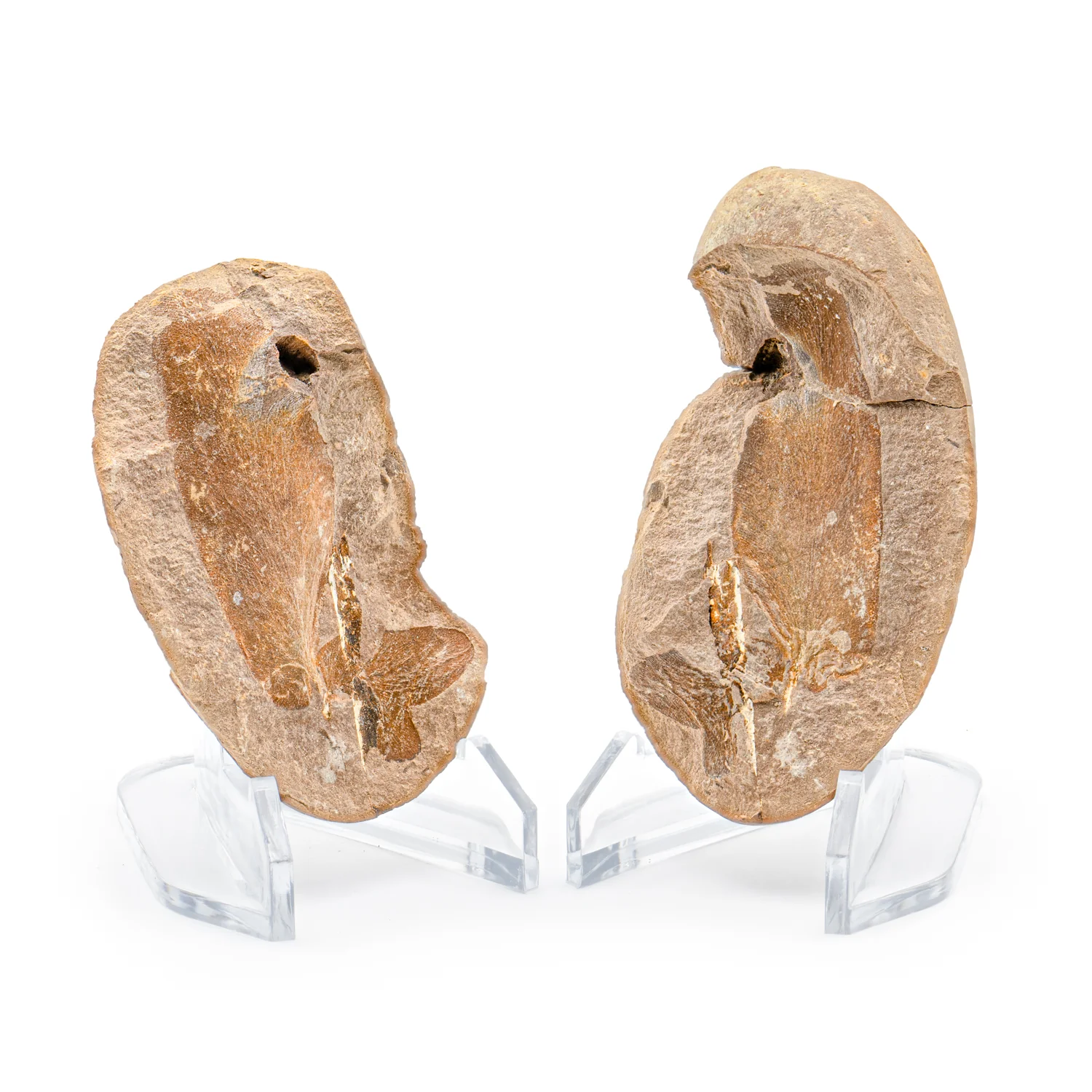
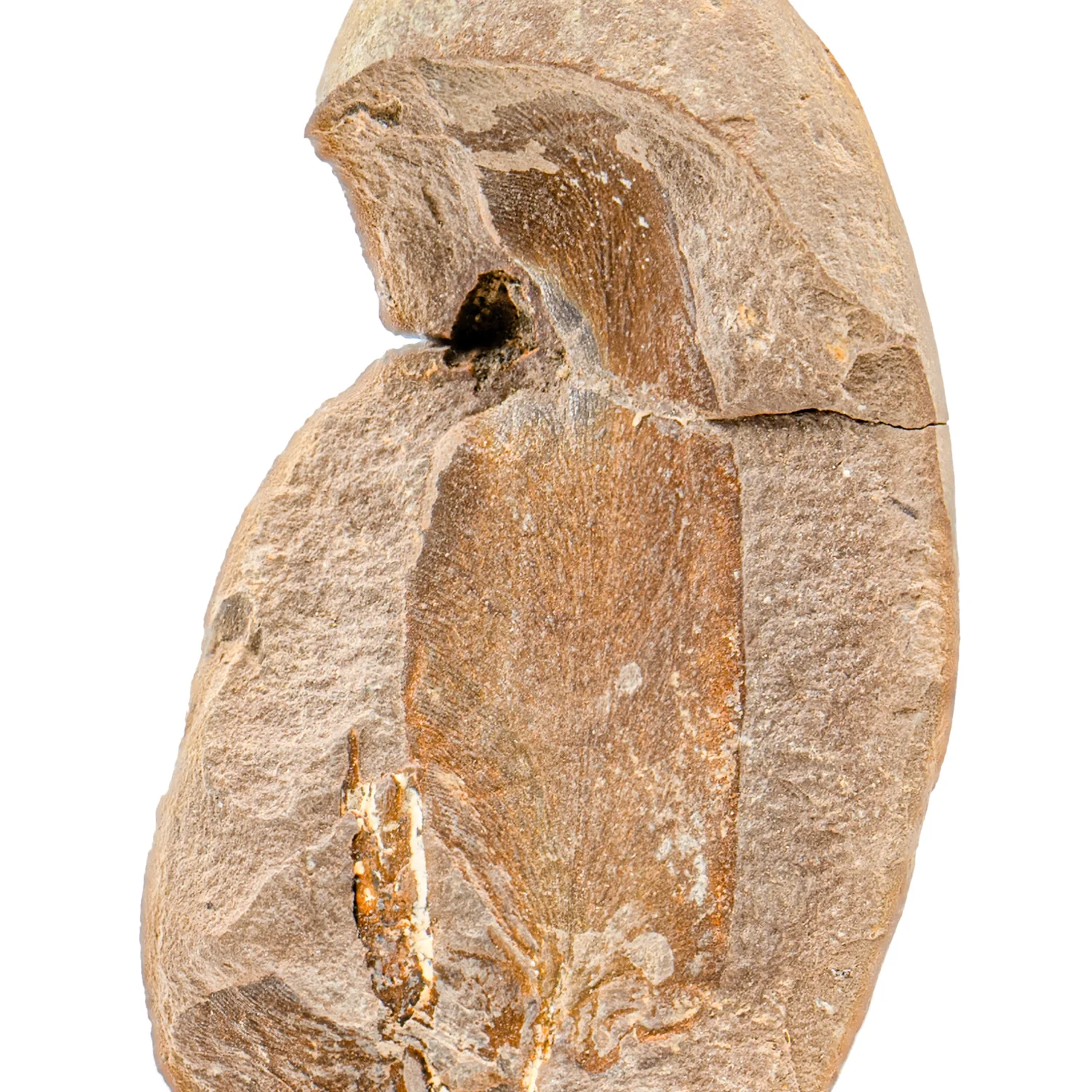
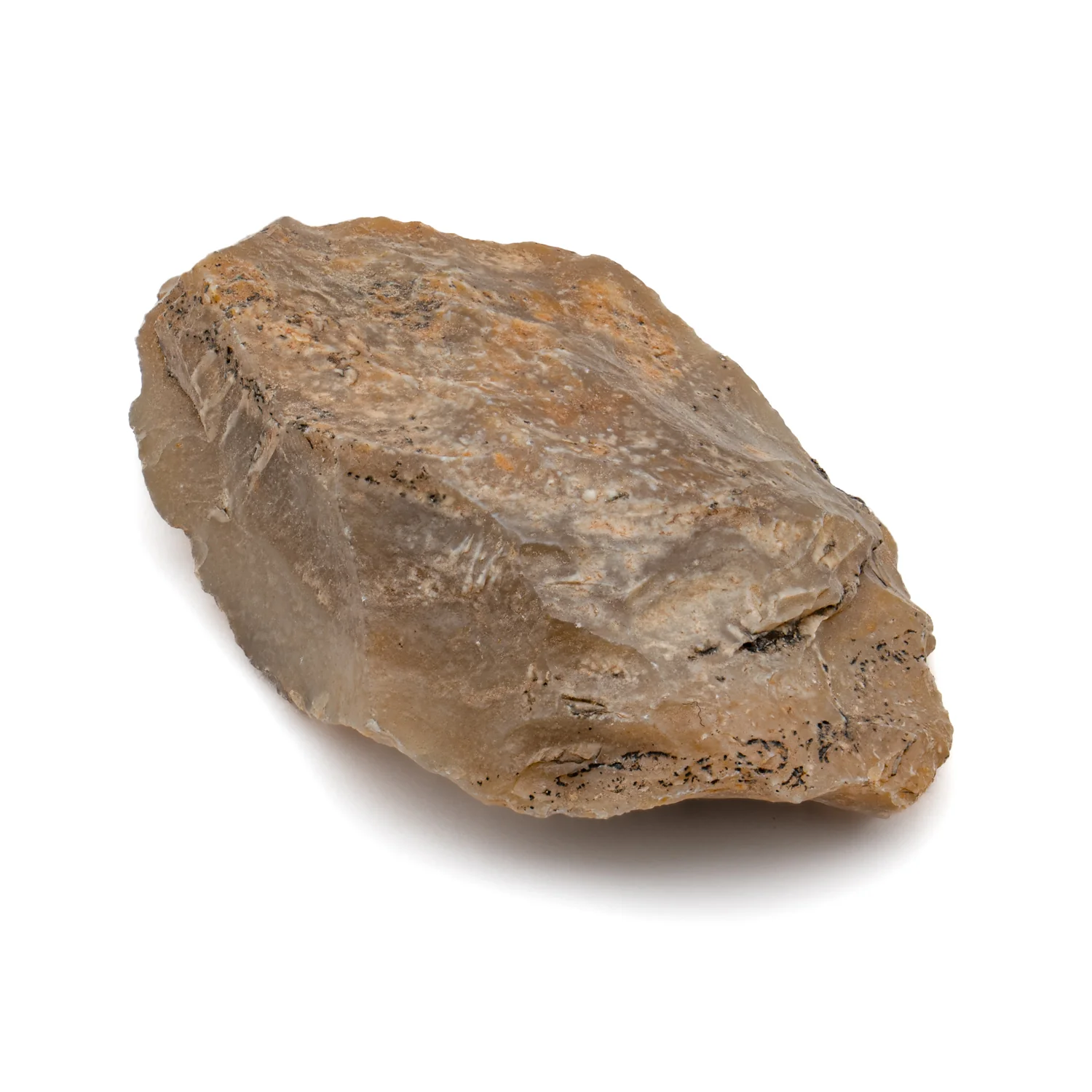
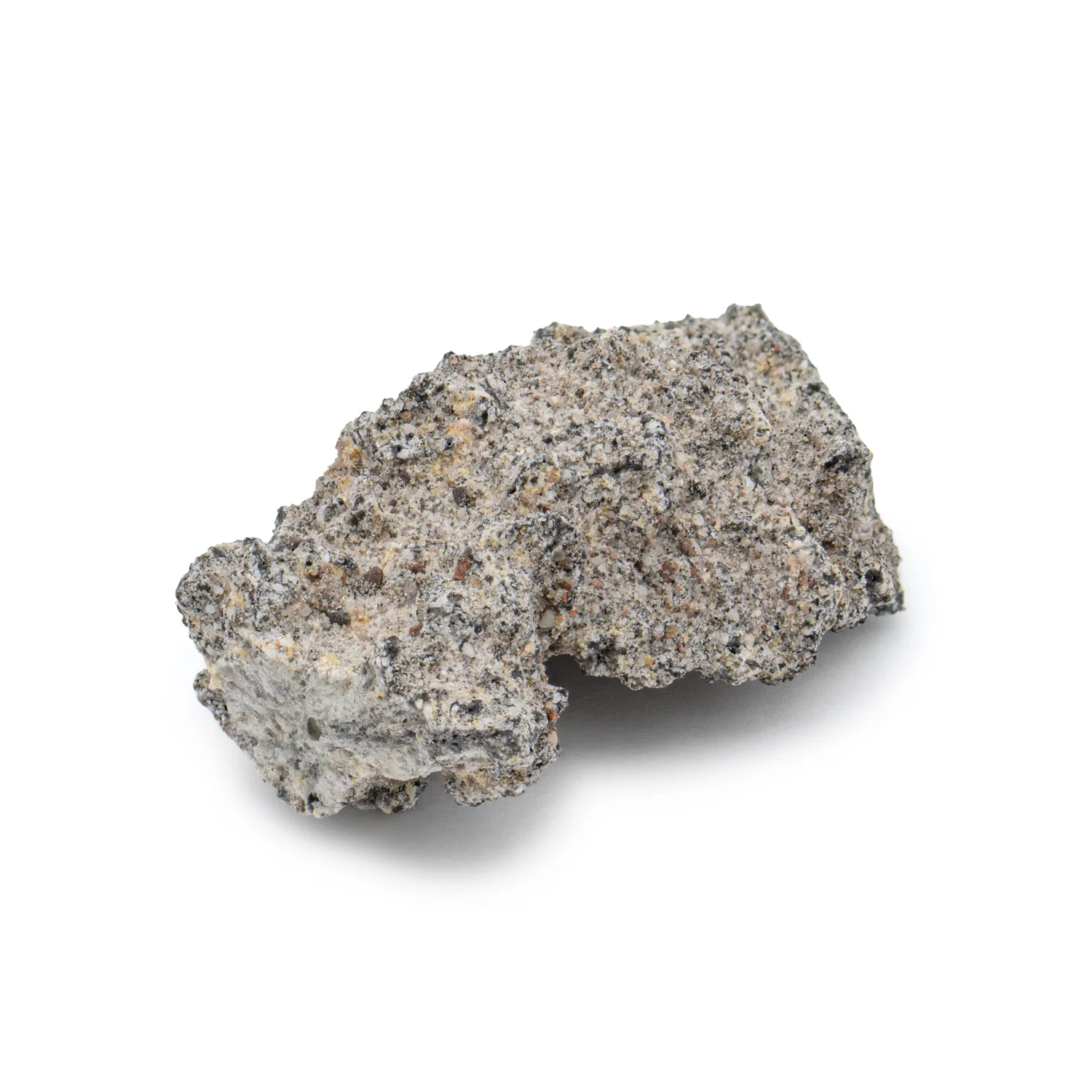
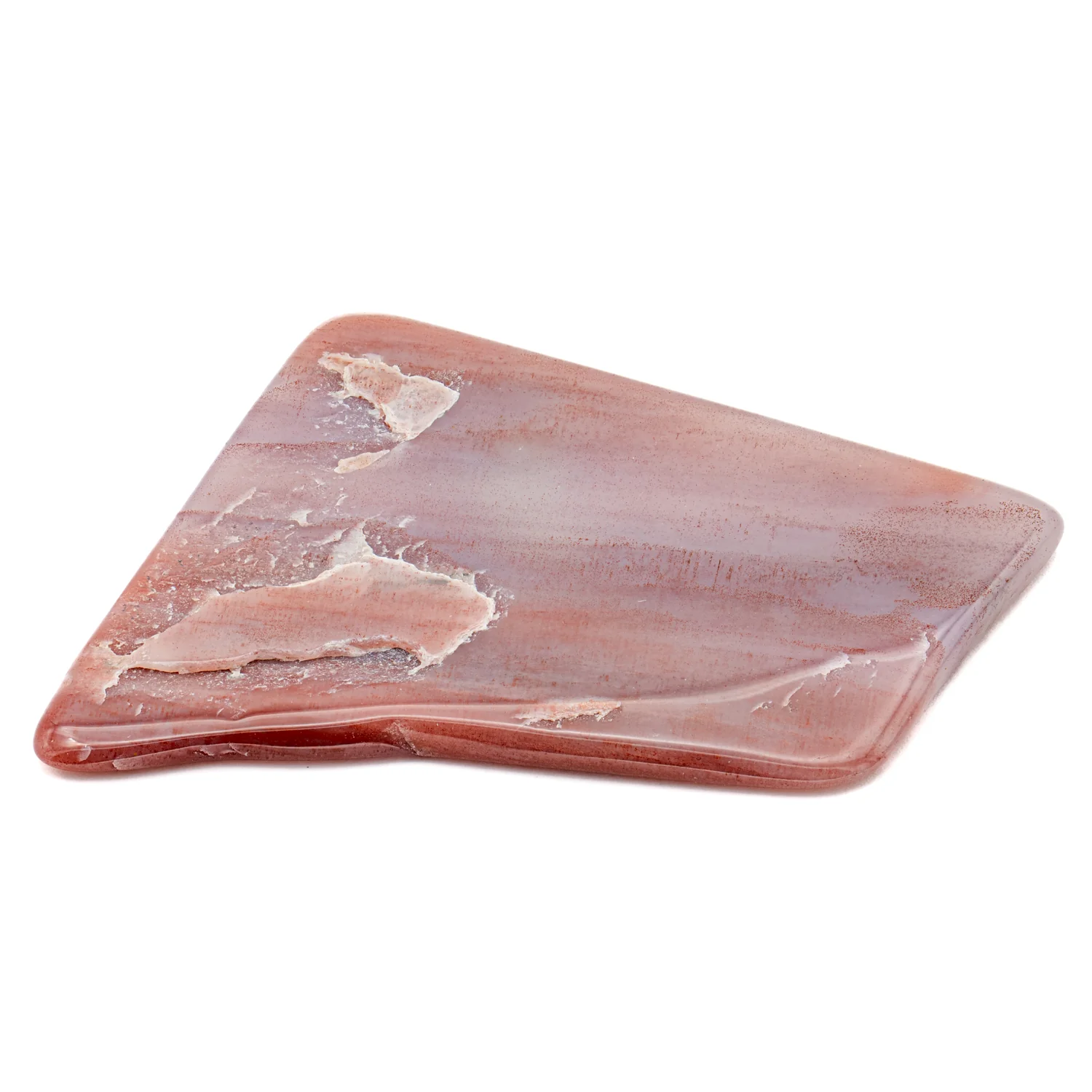
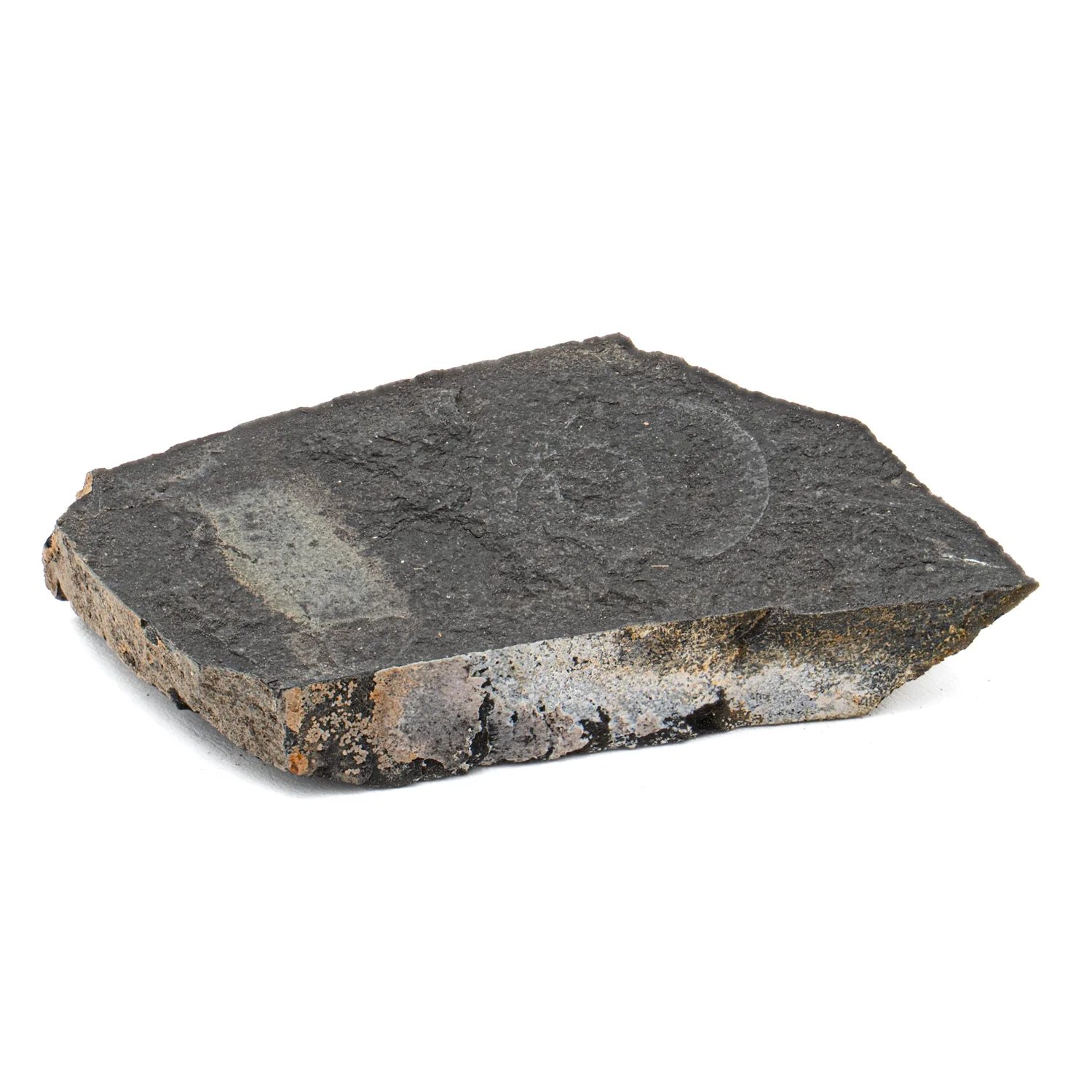
This specimen is a Wenlockian Spiral Graptolite Star, measuring 1.59". It comes from a deposit in the Bardo Mountains in Poland, dating back 427,400,000 years to the Silurian Period. It captures the fossilized remains of the colony tubing that supported these industrious little creatures.
In the prehistoric sea, all sorts of adaptations were needed to survive and thrive. Graptolites are a clear example of just that. They first appeared in the Cambrian as benthic animals, tiny filter-feeding creatures that lived together in interconnected colonies, connected by organic tubing. However, many Graptolite colonies evolved into planktonic floating groups, carried by the ocean's currents. This adaptation brought them all across the world and made them prolific index fossils.
This specimen is a Wenlockian Spiral Graptolite Star, measuring 1.59". It comes from a deposit in the Bardo Mountains in Poland, dating back 427,400,000 years to the Silurian Period. It captures the fossilized remains of the colony tubing that supported these industrious little creatures.
Description
In the prehistoric sea, all sorts of adaptations were needed to survive and thrive. Graptolites are a clear example of just that. They first appeared in the Cambrian as benthic animals, tiny filter-feeding creatures that lived together in interconnected colonies, connected by organic tubing. However, many Graptolite colonies evolved into planktonic floating groups, carried by the ocean's currents. This adaptation brought them all across the world and made them prolific index fossils.
This specimen is a Wenlockian Spiral Graptolite Star, measuring 1.59". It comes from a deposit in the Bardo Mountains in Poland, dating back 427,400,000 years to the Silurian Period. It captures the fossilized remains of the colony tubing that supported these industrious little creatures.